An innovative project on the Mexican border helps people with disabilities
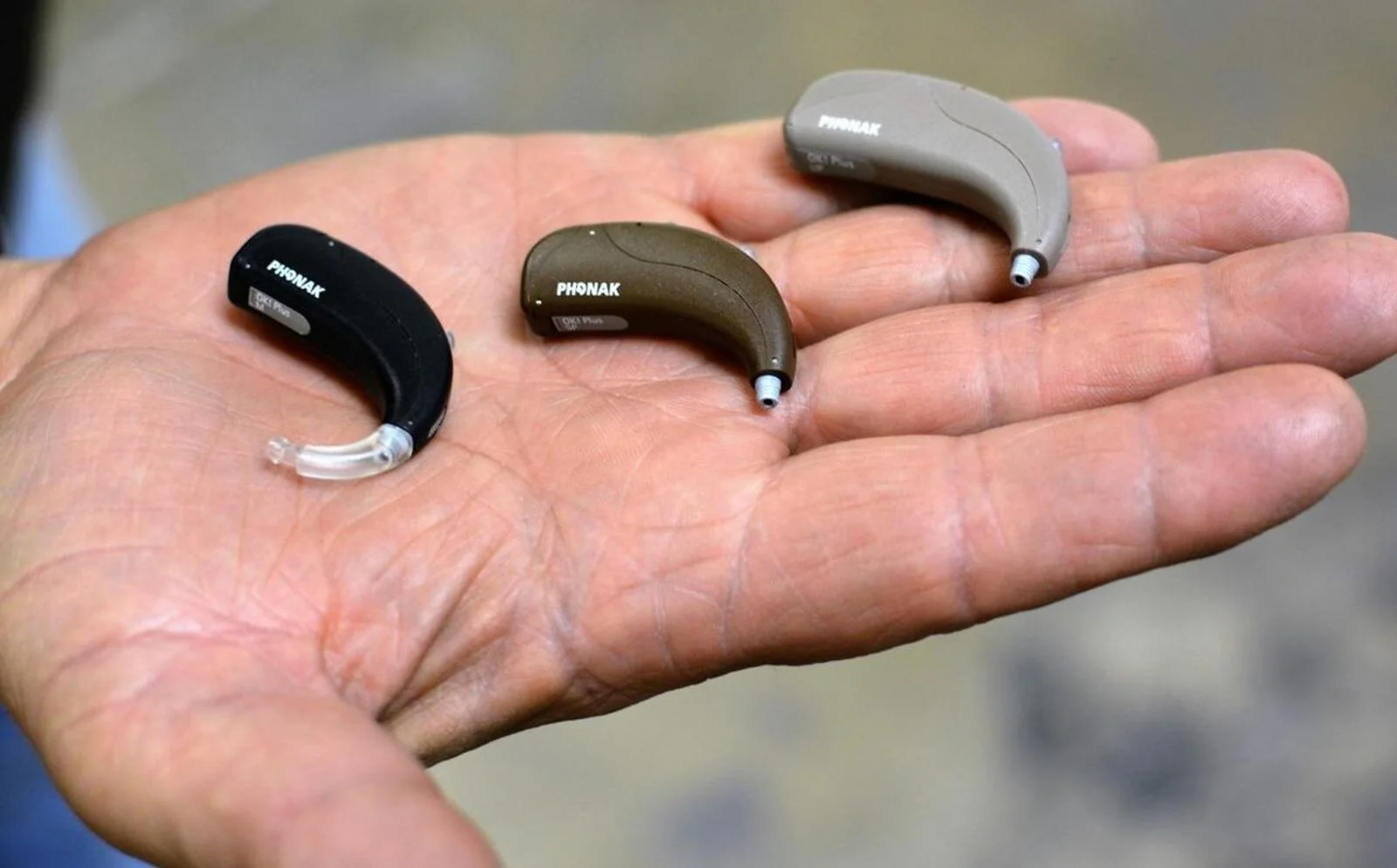
Some of the hearing aids dispensed at Arizona Sonora Border Projects for Inclusion.
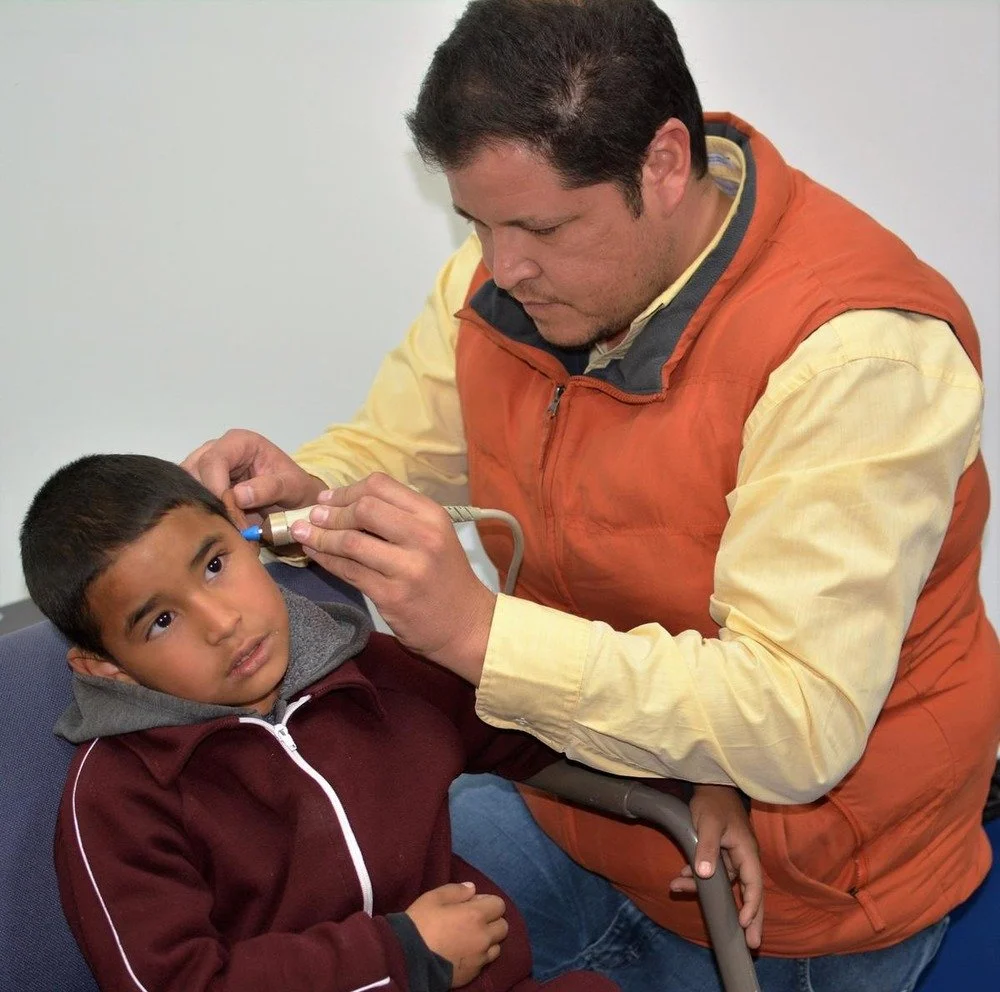
NOGALES, MEXICO — In a makeshift audiology center on the southern end of this border town, 6-year-old Jesus Lopez sits in a sound booth wearing headphones and a look of wonderment as a technician checks his hearing acuity.
An audiometer sends a range of sounds to the boy’s ears, but he hears none. It’s the reason he is here to get help from a U.S.-Mexico venture known as Arizona Sonora Border Projects for Inclusion, a program that provides low-cost hearing aids, prosthetics and wheelchairs to poor people with disabilities in a part of the world where such resources are scarce.
"We found that those were the three areas where there were fewer opportunities for people to be able to integrate into society because of the cost involved,” said Francisco Trujillo, who runs the program in a warehouse at Nogales Industrial Park.
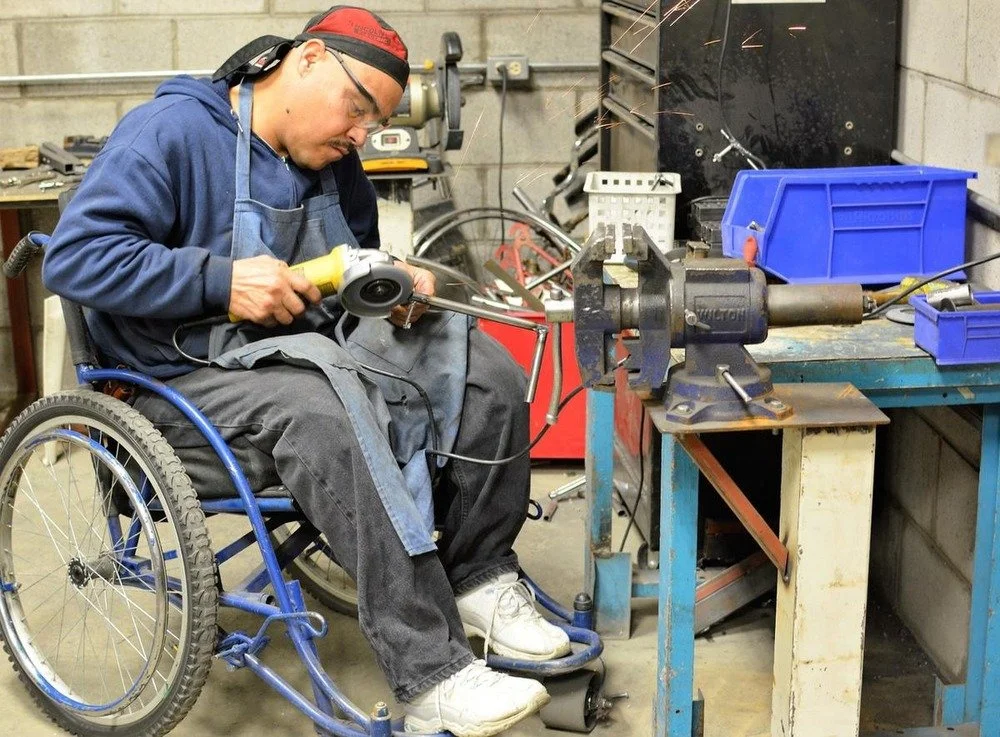
The nonprofit, which relies on donations and various partnerships on both sides of the border to operate, also trains people with disabilities to make the products they use and then employs them to build wheelchairs, prosthetics and solar-powered battery rechargers for hearing aids.
More than 1 billion of the world’s population lives with some form of disability, with nearly 200 million finding it difficult to function, according to a 2011 report by the World Health Organization. In Mexico, people with disabilities total about 14 percent of the population, or 16.5 million.
When it comes to the inclusion of people with disabilities in Mexico, “we are light years behind other countries,” Trujillo said. Schools, hospitals and government buildings often lack ramps and other special accommodations.
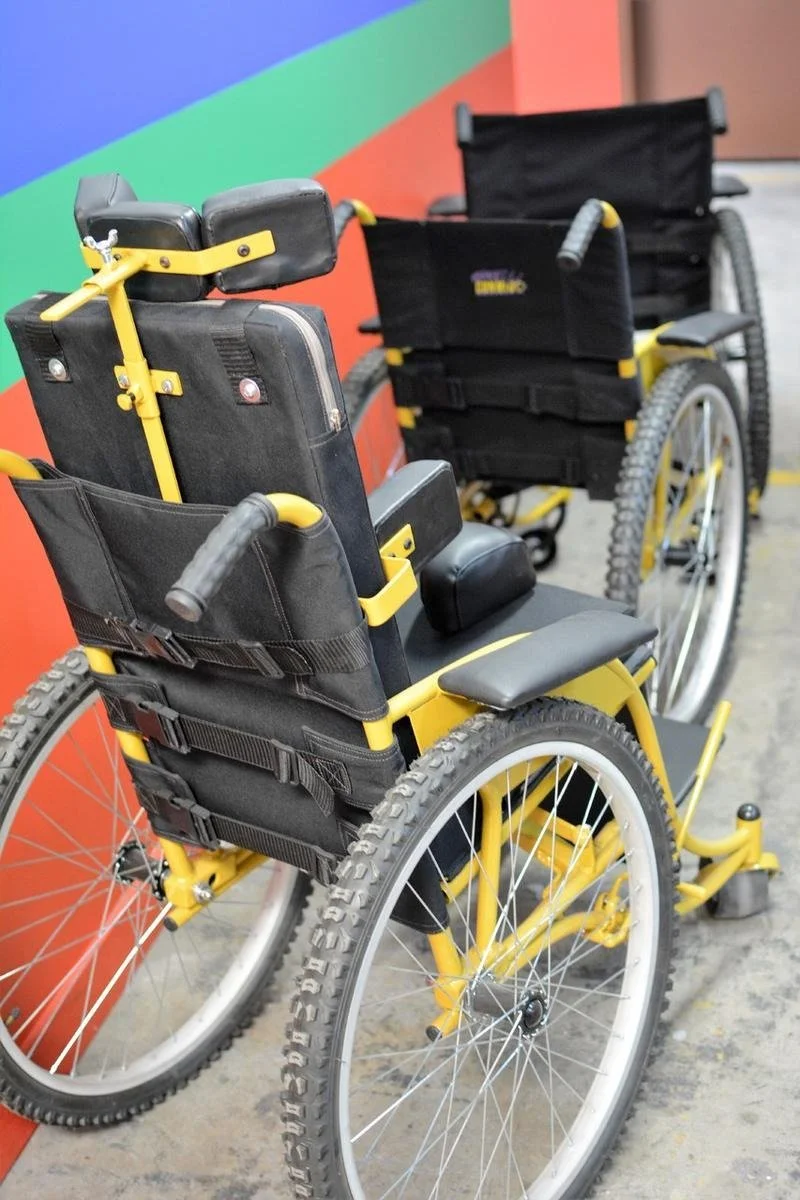
Many of the people who receive assistance through the nonprofit have spent years shut out from society, often homebound because they lacked access to a wheelchair or other means of mobility, Trujillo added.
Through its work the program strives to make people with physical disabilities more visible by giving them tools that enable them to become active participants in their community, particularly in the northern Mexico state of Sonora, which shares a border with Arizona. But the organization’s long-term goals reach beyond dispensing medical devices that can help make life easier. By training and then employing people with disabilities, the program also seeks to build a sustainable social enterprise that serves the disadvantaged.
“Little by little, we are building our own workforce,” Trujillo said.